Hard Anodizing
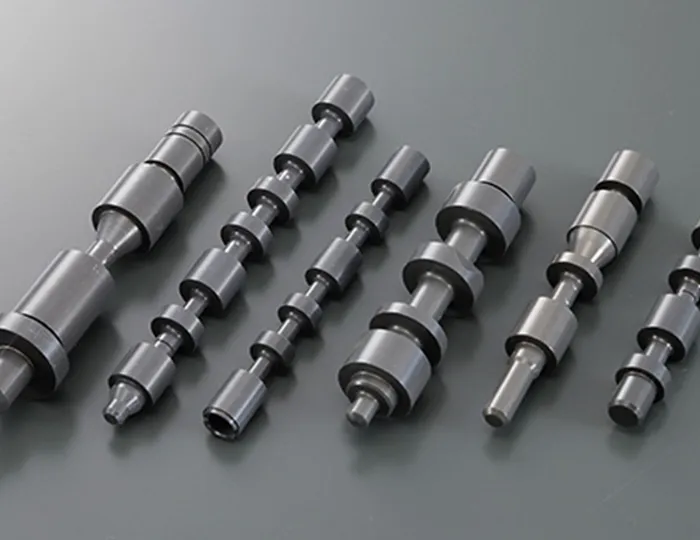
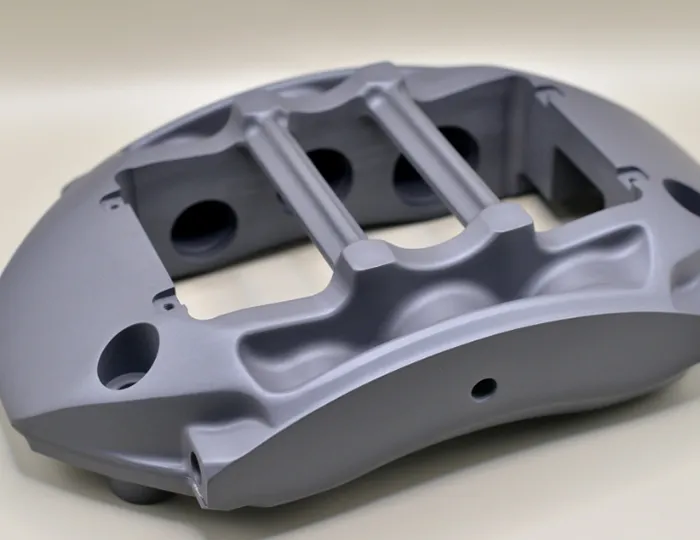
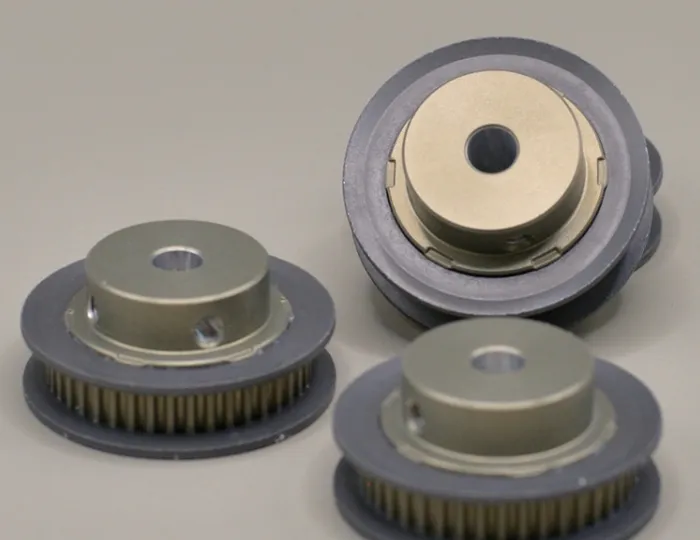
Hard Anodizing
Superior hardness and durability compared to standard anodizing, providing critical protection for products in extreme environments.
Key Benefits
- Superior wear resistance
- Robust anodic film
Not sure what you need? Send us your question.
High-Performance Industrial
Hard Anodizing
A ceramic-hard anodic film of 350-450 HV that dramatically improves wear resistance and surface durability on aluminum parts, enabling lightweight aluminum to replace steel in demanding structural and sliding applications.
-

40
Years of Experience
-

5,000+
Products Delivered
-

15
Registered Patents
-

38
Countries Served
Hard Anodizing Features
Exceptional Wear Resistance &
Lightweighting
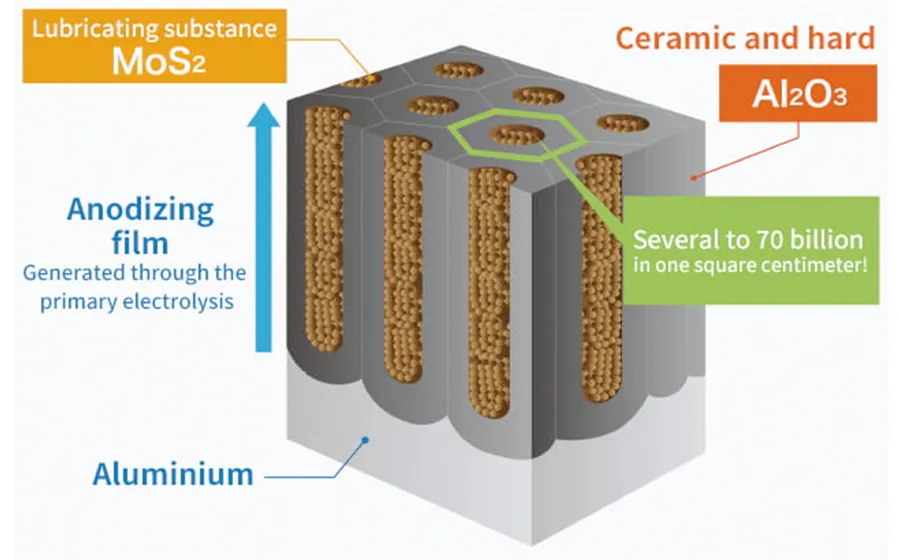
- Our electrochemical process creates a hard ceramic layer on aluminum surfaces.
- Significantly improved surface hardness shields the substrate from physical contact and abrasion.
- By providing surface hardness comparable to steel, we enable "Aluminization"—replacing heavy steel components with lightweight aluminum to reduce weight, energy consumption, and costs.
- Greatly extends the service life and durability of sliding components and structural materials where mechanical strength is required.
High-Hardness Anodic Film
- Our technology redefines aluminum performance by achieving surface hardness between 350–450 HV (depending on the alloy).
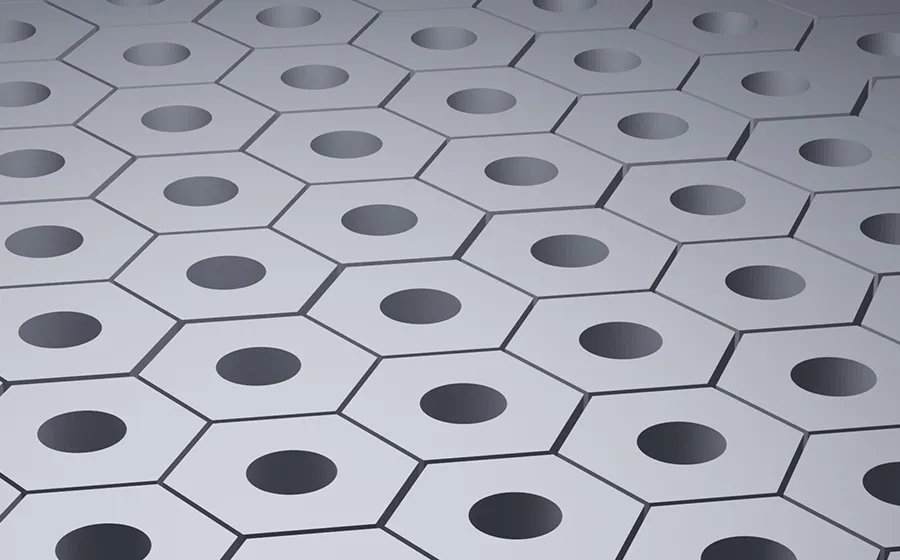
- The chemically stable, thick oxide layer acts as a barrier, protecting the substrate even in corrosive environments.
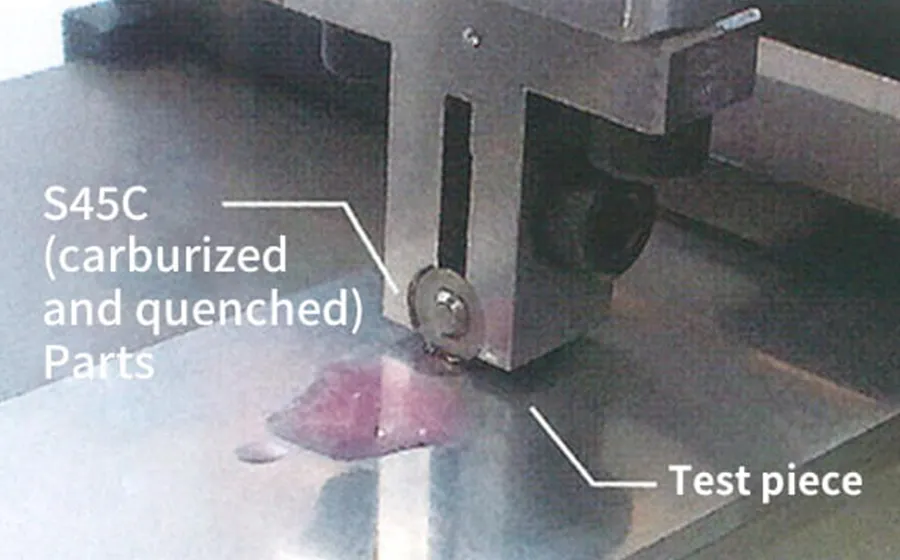
- The film's hardness improves scratch resistance of aluminum parts, protecting components in high-torque, heavy-load environments.
- The film is a non-conductive insulator, making it ideal for electronic components or any application requiring electrical insulation.
Technical Specifications
| Item | Technical Data | Remarks |
|---|---|---|
| Recommended Materials | All Aluminum Alloys | Difficult-to-anodize materials (e.g., A380 / ADC12) can be treated using our proprietary MD Process. |
| Standard Film Thickness (Recommended Range) | Consultation required | Achievable thickness varies based on project requirements, material, and geometry. |
| Hardness (Min - Max) | 350 – 450 HV | Final hardness varies by the specific alloy. |
| Friction Coefficient | 0.75 | Based on internal comparative data (Kashima Coat is 0.18). |
| Compliance / Standards | MIL-A-8625 Type III | |
| Coating Characteristics | Insulation & Corrosion Resistance |
Customer Success Stories
-

Miyaki's Technology Powers the Quest for a World Championship
How We Support You
-
Small-Lot Prototype Verification Support
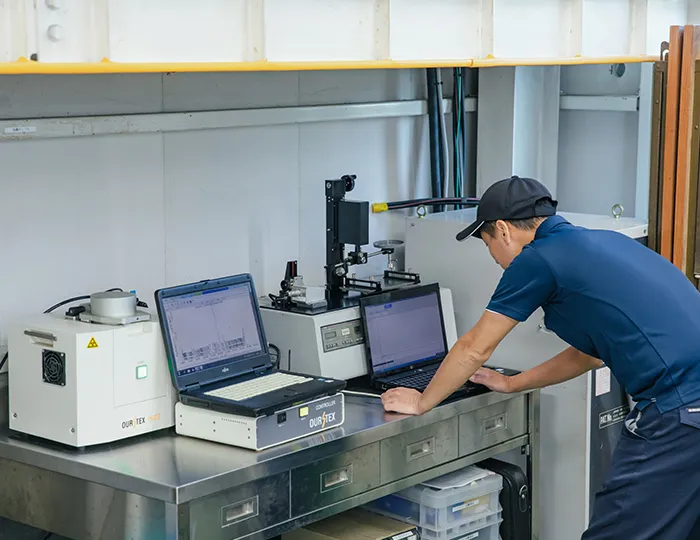
We support small-lot prototypes with flexible processing conditions to verify performance and ensure a fast, reliable transition from development to full-scale mass production.
-
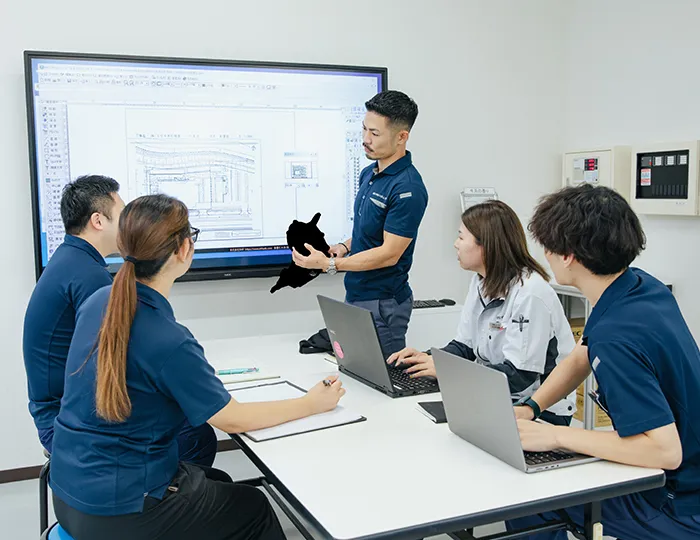
Technical Consultation Backed by Deep Expertise
We provide specific technical data for design — such as hardness and film thickness — and propose optimized treatments tailored to your aluminum alloy and fabrication method, solving wear and galling issues in sliding parts.
-
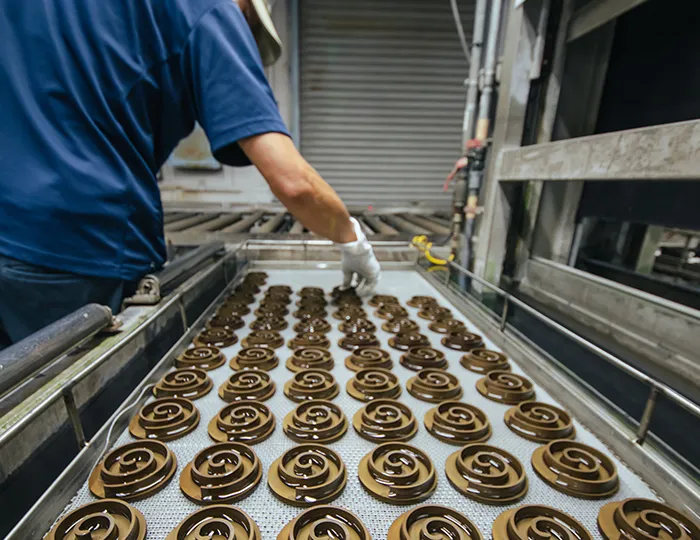
Stable Production & Traceability
With our automated lines and strict ISO 9001-based quality management, we guarantee a stable product supply and address concerns about lead times (standard: 2 weeks).
Hard Anodizing FAQs
-
Q1:What is the primary difference between standard Hard Anodizing and Kashima Coat?
While standard hard anodizing offers excellent hardness and wear resistance, it has a high friction coefficient of approximately 0.75. Our proprietary Kashima Coat impregnates the anodized film with molybdenum disulfide via an electrochemical process. This retains the film's hardness while reducing the friction coefficient to approximately 0.18, leading us to recommend Kashima Coat for sliding parts that require lubricity and stick-slip prevention.
-
Q2:What dimensional changes should I expect from the treatment?
The total diameter of a part will increase by the thickness of the applied film.
Example: For a requested thickness of 10 μm, the outer diameter will change from 10.000 mm to 10.010 mm, and the inner diameter will change from 10.000 mm to 9.990 mm. -
Q3:Can I specify a particular color or tone for the finish?
Precise color specification is difficult. The natural color produced after anodizing is a result of the specific alloy composition and the thickness of the film.
-
Q4:What are the available and recommended film thicknesses?
We typically provide thicknesses ranging from 5 μm to 50 μm. The recommended and maximum thicknesses depend heavily on the material alloy; please contact us for specifics regarding your project.
-
Q5:What are the standard tolerances for film thickness?
We generally request a tolerance of ± 20% of the total film thickness. This tolerance does not refer to variation between individual parts. It accounts for top-to-bottom thickness variation that occurs due to the position of parts on the processing rack.
Related Anodizing Solutions
-

Kashima Coat
- Deal for sliding parts
- Superior wear resistance
- Hard surface with high lubricity
- Excellent aesthetic finish
-

Kashima Coat Black
- Superior wear resistance
- Hard surface with high lubricity
- Deep jet-black aesthetic finish
-

MD Process
- Optimized for aluminum die casting
- High corrosion resistance


