MD Process
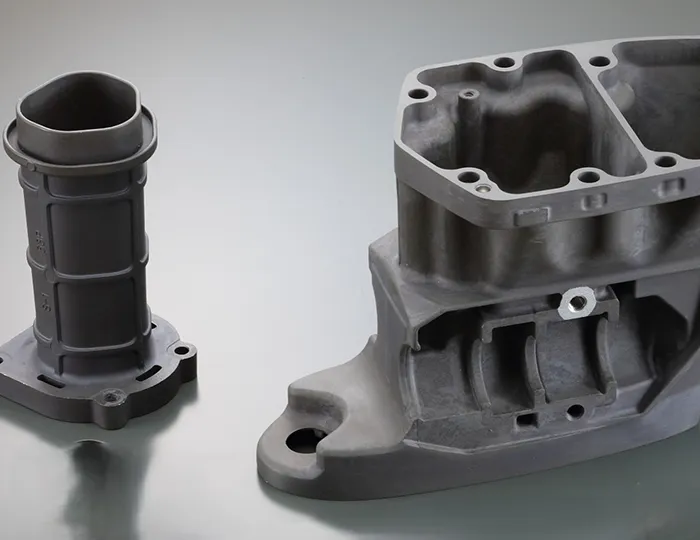
MD Process
High-corrosion resistance anodizing optimized for aluminum die casting
Key Benefits
- Superior corrosion resistance
- Stable film formation
- Enhanced paint adhesion
- Excellent heat dissipation
- Optimized for ADC Alloys
Not sure what you need? Send us your question.
Optimized for Aluminum Die Casting
While aluminum die-cast materials (such as A380 / ADC12) are prized for being lightweight and high-strength, the presence of alloying elements often leads to poor corrosion resistance. Conventional anodizing processes frequently fail to produce a stable protective film on these materials. The MD Process is Miyaki's proprietary anodizing treatment designed to solve these die-casting challenges.
-

40
Years of Experience
-

5,000+
Products Delivered
-

15
Registered Patents
-

38
Countries Served
MD Process Features
Outstanding Corrosion Resistance
- Generates a stable protective film on difficult-to-anodize materials like A380 / ADC12.
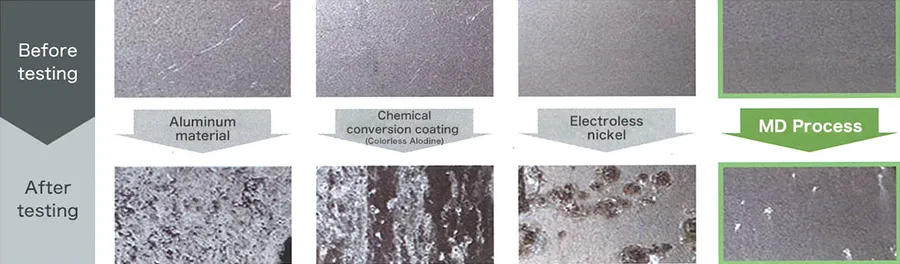
- Prevents the severe corrosion typically seen in ADC materials during 500-hour salt spray tests (SST).
- Mitigates the negative effects of alloying elements (Si/Cu/Fe) to resolve inherent material deficiencies.
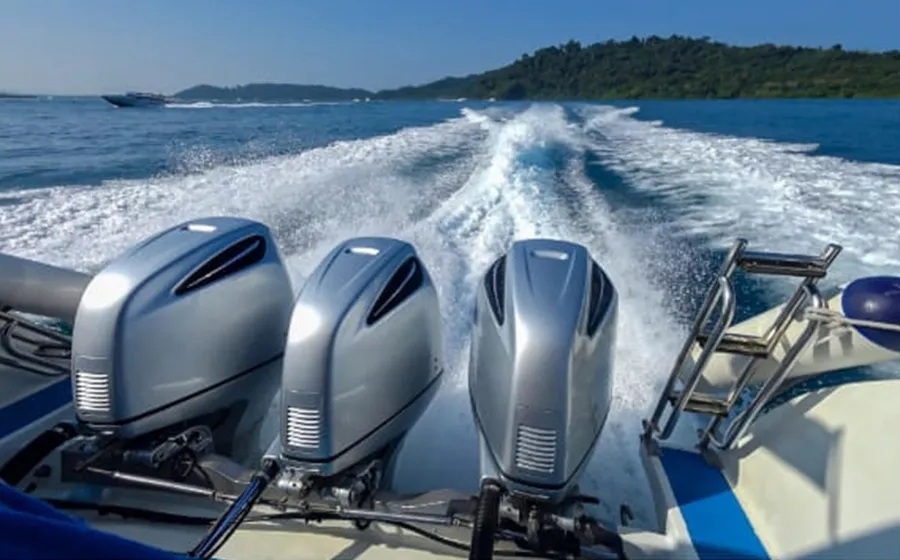
- Widely adopted for high-exposure components, such as outboard motor parts used in harsh maritime environments.
Stable Film Formation and Paint Adhesion
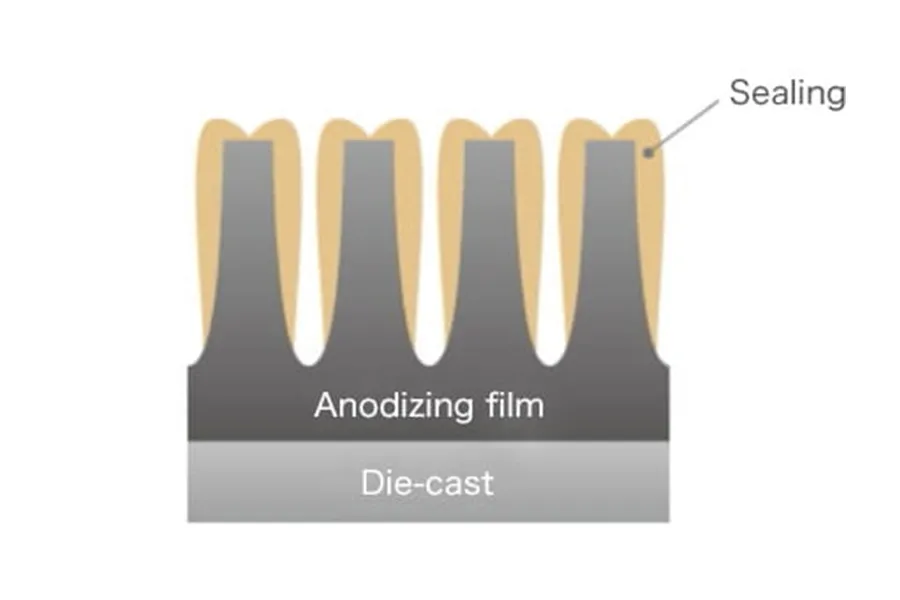
- The MD Process increases the effective surface area, significantly enhancing the "anchor effect" for paint and secondary coatings.
- Improved adhesion results in superior long-term corrosion protection and durability.
- Provides a uniform, high-quality anodized layer on ADC materials where surface treatments are mandatory.
- Maintains good surface roughness, contributing to a clean aesthetic finish.
High Heat Dissipation
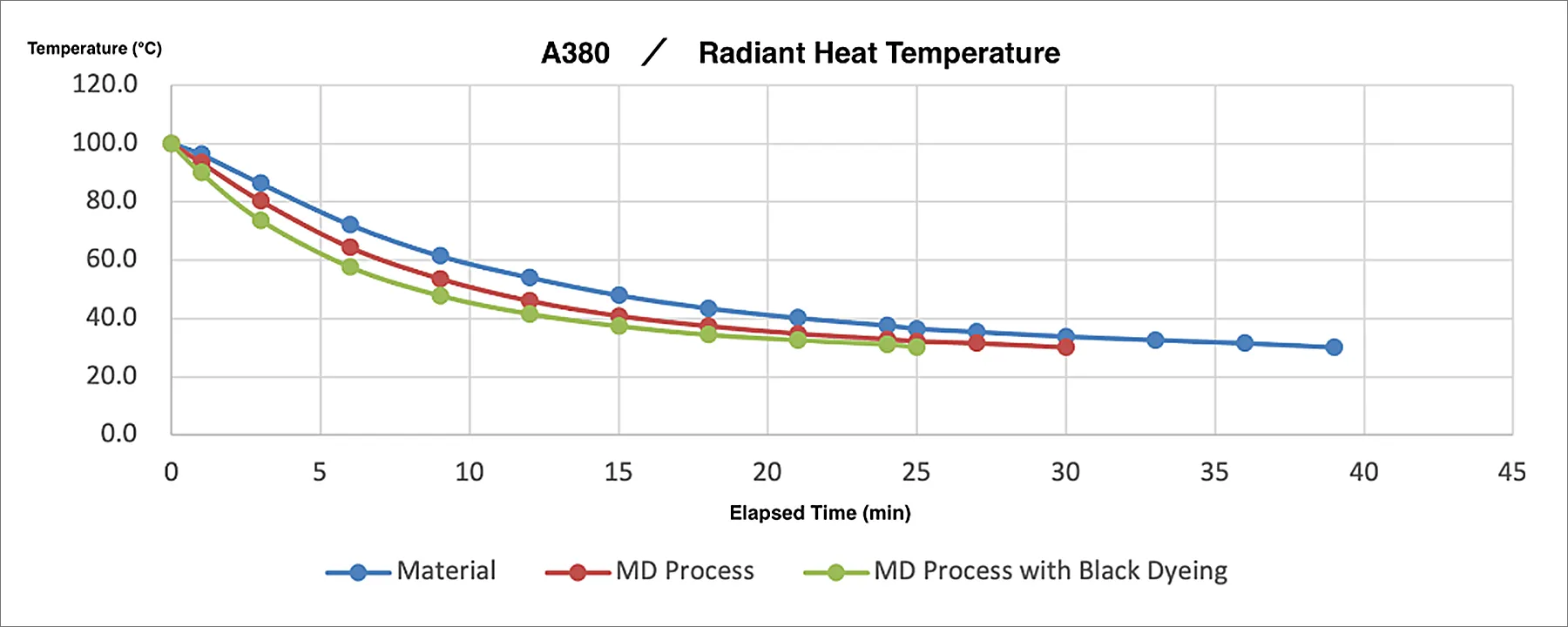
- The specialized film retains properties that allow for efficient heat dissipation.
- Heat dissipation can be further enhanced by applying a black finish.
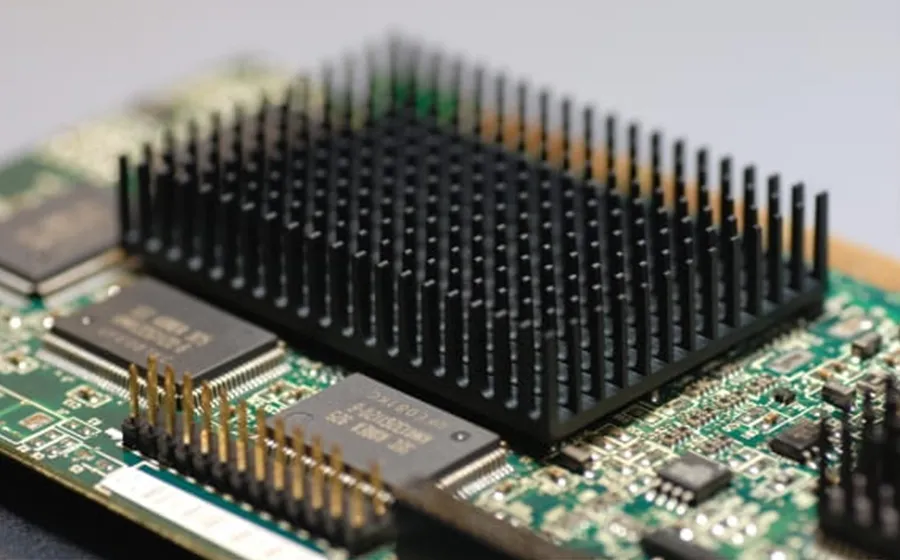
- Ideal for ECU cases, heat sinks, and other components in the growing field of electronic controls where thermal management is critical.
- Provides a high-reliability solution that protects sensitive CPU boards while solving heat-related engineering challenges.
Technical Specifications
| Item | Technical Data | Remarks |
|---|---|---|
| Recommended Materials | A380 / ADC12 (Die Casting) | Engineered for compatibility with difficult-to-anodize materials. |
| Maximum Film Thickness | Max 20 μm (Machined Surfaces) | Up to 10 μm is possible on as-cast surfaces. |
| Hardness (Min - Max) | 250 – 350 HV | Hardness measurement is possible at film thicknesses of 10 μm or greater. |
| Corrosion Resistance | Salt Spray Test (SST): 500 Hours | Demonstrates nearly zero corrosion on ADC alloys where conventional anodizing typically fails. |
| Heat Dissipation | Black Finish Optimization | Proven track record in ECU cases and heat sinks. |
How We Support
-
Small-Lot Prototype Verification Support
We support small-lot prototypes with flexible processing conditions to verify performance and ensure a fast, reliable transition from development to full-scale mass production.
-
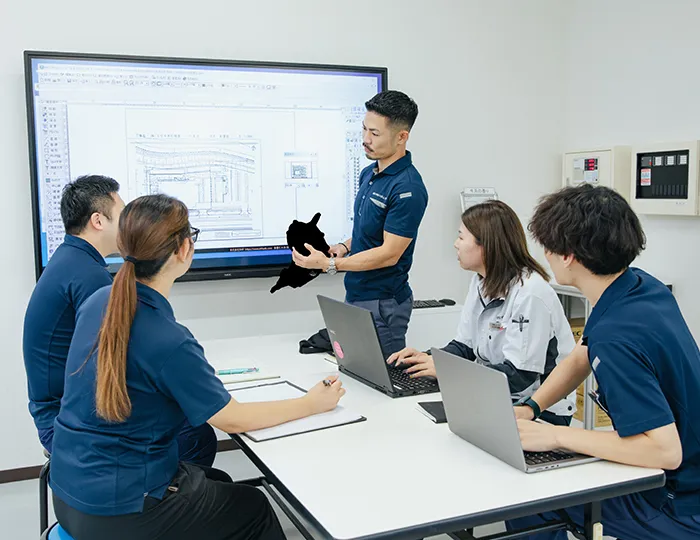
Expert Technical Consultation
We provide specific technical data for design — such as hardness and film thickness — and propose optimized treatments tailored to your aluminum alloy and fabrication method, solving wear and galling issues in sliding parts.
-
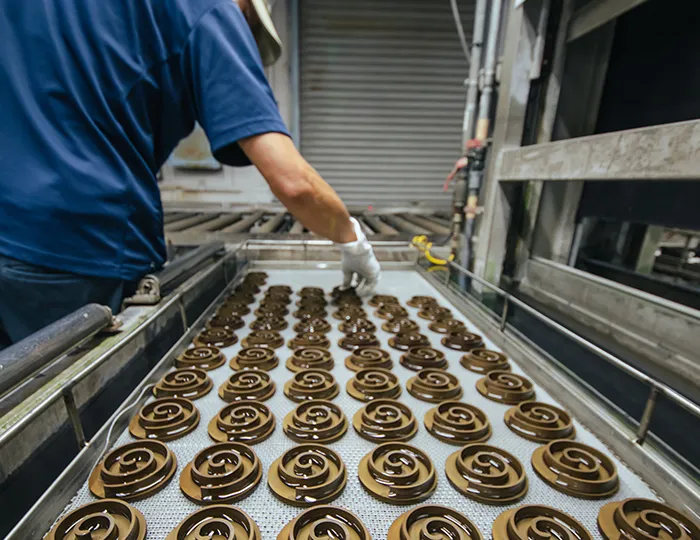
Stable Production & Traceability
With our automated lines and strict ISO 9001-based quality management, we guarantee a stable product supply and alleviate concerns regarding lead times (standard 2 weeks).
MD Process FAQs
-
Q1:What is the difference between standard anodizing and the MD Process?
Aluminum die castings (such as A380 / ADC12) contain alloying elements like silicon (Si) and copper (Cu), which make it difficult for standard anodizing to form a uniform film, often resulting in poor corrosion resistance. The MD Process is Miyaki’s proprietary technology designed specifically for these "difficult-to-anodize" materials. By using an optimized method, the MD Process forms a stable film that delivers reliable corrosion resistance and uniform coverage on these alloys.
-
Q2:What level of corrosion resistance does the MD Process provide?
The MD Process provides exceptionally high corrosion resistance. In salt spray testing (SST), untreated and standard anodized parts typically show early signs of corrosion, whereas parts treated with the MD Process show almost no corrosion even after 300 to 500 hours. We highly recommend this process for outdoor enclosures and components exposed to corrosive environments.
-
Q3:Which materials is this process most effective for?
It was developed specifically for aluminum die casting alloys like A380 / ADC12. Because A380 / ADC12 contains elements like silicon (Si) and copper (Cu), it is generally considered difficult to produce a high-quality anodized film on it. The MD Process overcomes this, creating a stable film and providing sufficient corrosion resistance for these specific materials.
-
Q4:Can this be used for components requiring heat dissipation, such as heat sinks?
Yes, it is an ideal solution. The MD Process enhances emissivity, allowing for efficient heat discharge. It is already widely used for ECU cases and heat sinks. Furthermore, since applying a black finish further improves radiation performance, we recommend combining the MD Process with a black finish for applications where thermal management is a priority.
-
Q5:Where is the MD Process most commonly used?
We have extensive experience applying this process to ECU cases and heat sinks. The MD Process combines superior corrosion resistance with efficient heat dissipation. As electronic controls become more widespread, this treatment is ideal for automotive parts and electronic enclosures that require both thermal management and corrosion protection.
Related Anodizing Solutions
-

Kashima Coat
- Deal for sliding parts
- Superior wear resistance
- Hard surface with high lubricity
- Excellent aesthetic finish
-

Kashima Coat Black
- Superior wear resistance
- Hard surface with high lubricity
- Deep jet-black aesthetic finish
-

Hard Anodizing
- Standard hard anodizing
- High hardness


