Kashima Coat
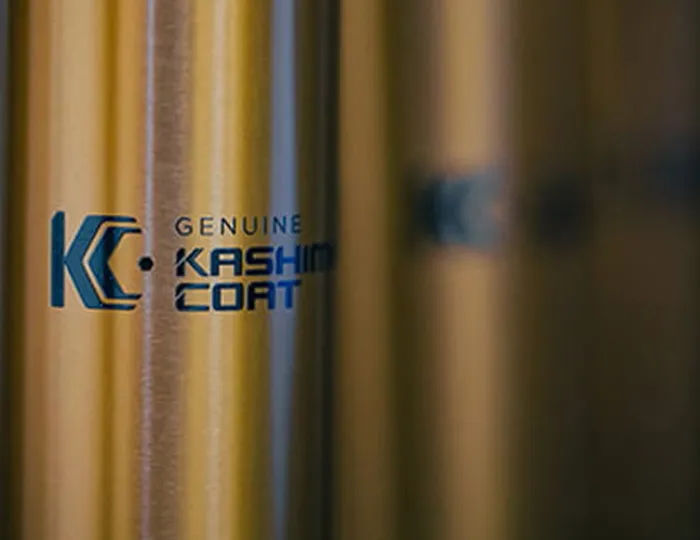
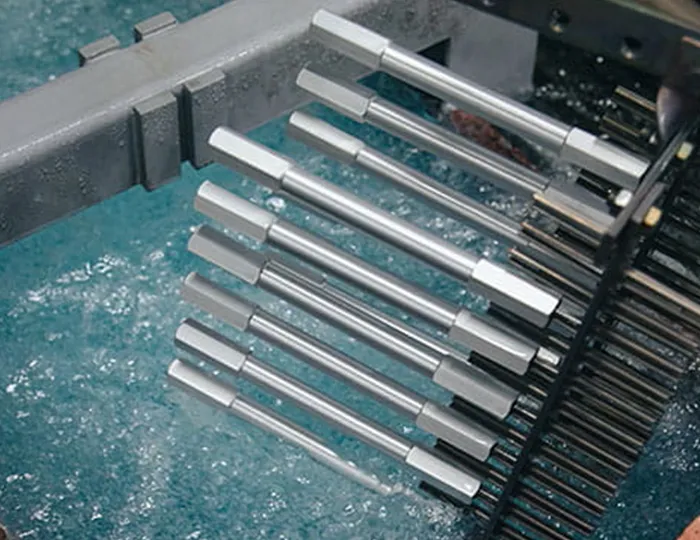
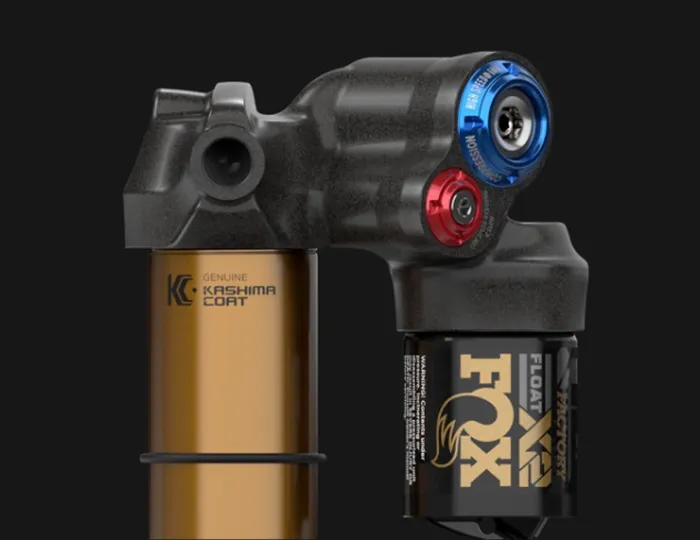
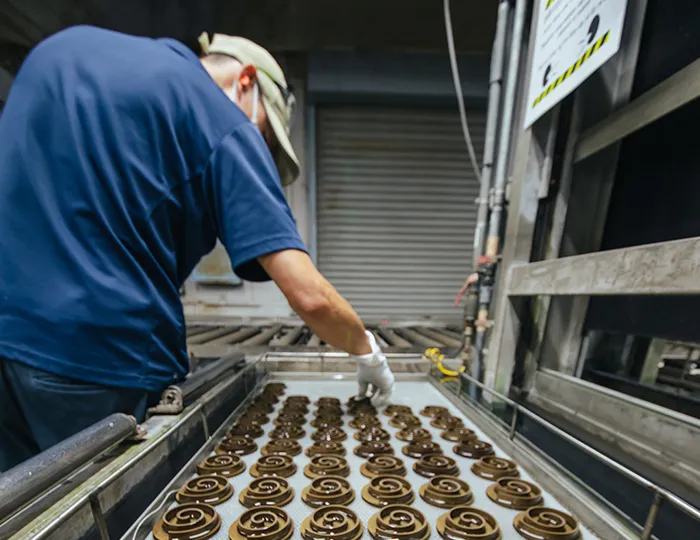
Kashima Coat
Lubricated hard anodizing with superior wear resistance — ideal for sliding parts.
Key Benefits
- Superior wear resistance
- Robust surface coating
- Prevents galling
- High lubricity
- Unique aesthetic finish
Not sure what you need? Send us your question.
A One-of-a-Kind
Anodizing Technology
Our HV400 molybdenum-infused coating delivers 3–5x the durability of standard hard anodizing while reducing friction by up to two-thirds — a proven high-lubricity, high-wear-resistance solution for precision sliding parts.
-

40
Years of Experience
-

5,000+
Products Delivered
-

15
Registered Patents
-

38
Countries Served
Kashima Coat Features
Outstanding Wear Resistance
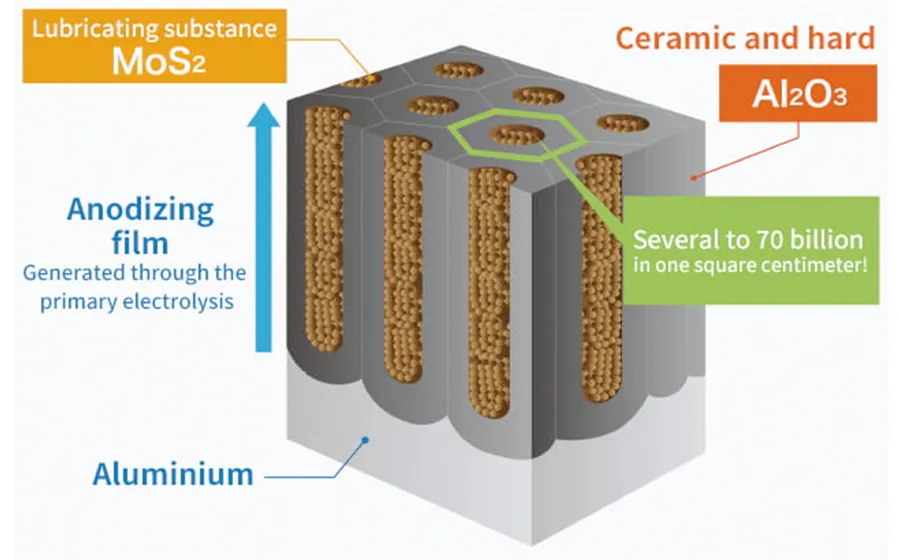
- Proprietary technology electrolytically infuses hard anodized pores with molybdenum disulfide.
- Because the lubricant exists within the film — not on the surface — lubricity and wear resistance are maintained for the entire life of the anodic film.
- The synergy of hardness and lubricity delivers 3–5x the durability of standard hard anodizing.
- Proven self-lubrication excels in harsh, oil-free sliding environments.
High-Hardness Anodic Film
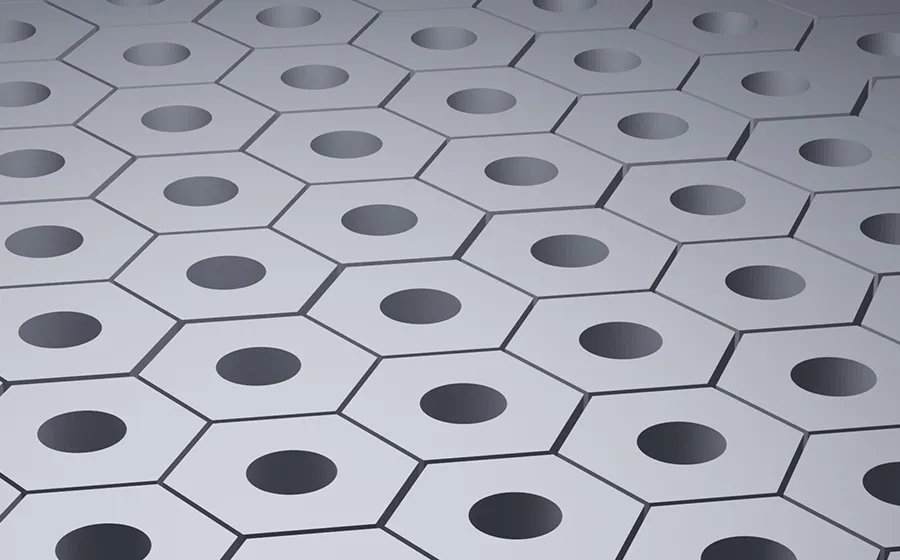
- A ceramic-hard anodic film reaching HV400 — dispelling the notion that aluminum is soft.
- Tens of billions to 70 billion micro-pores per cm² form within the hard anodic film.
- The film's hardness improves scratch resistance of aluminum parts, protecting components in high-torque, heavy-load environments.
- Steel-like wear resistance combined with the lightweight benefits of aluminum.
Extremely Low Coefficient of Friction
- Oil-free low friction achieved via integrated solid molybdenum lubricants.
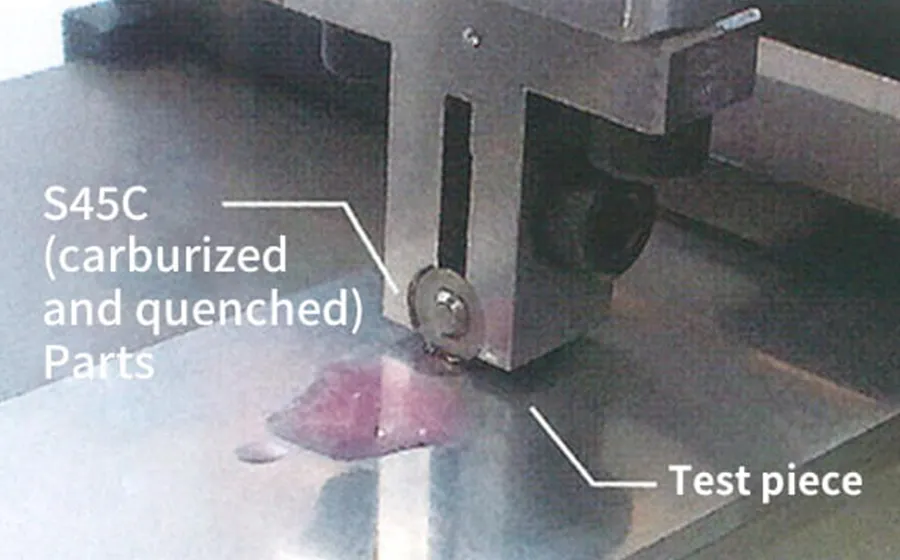
- Reduces friction by 50–70%, preventing stick-slip, galling, and seizure.
- Thermal stability makes it ideal for high-performance engine components.
- Post-treatment polishing and lapping are possible, ensuring the finishing precision required for high-accuracy sliding parts.
Technical Specifications
| Item | Technical Data | Remarks |
|---|---|---|
| Recommended Materials | A5052, A6061, A6063, A380, etc. | Ensures high coating quality and excellent compatibility with Kashima Coat. |
| Standard Film Thickness (Recommended Range) |
For A6061: 30 μm | Flexible adjustment is possible depending on the required strength and wear resistance. |
| Hardness (Min - Max) | 250 – 450 HV | Hardness up to HV400 for strong substrate protection. |
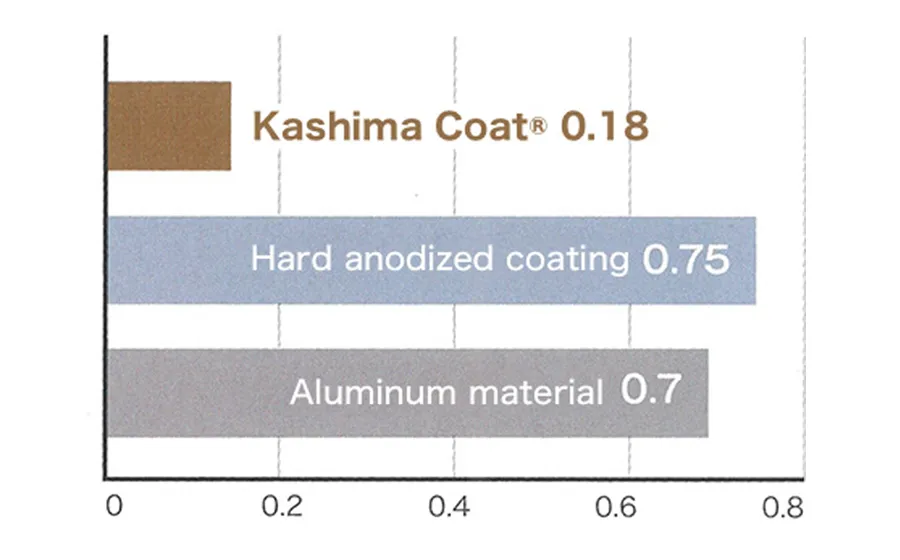
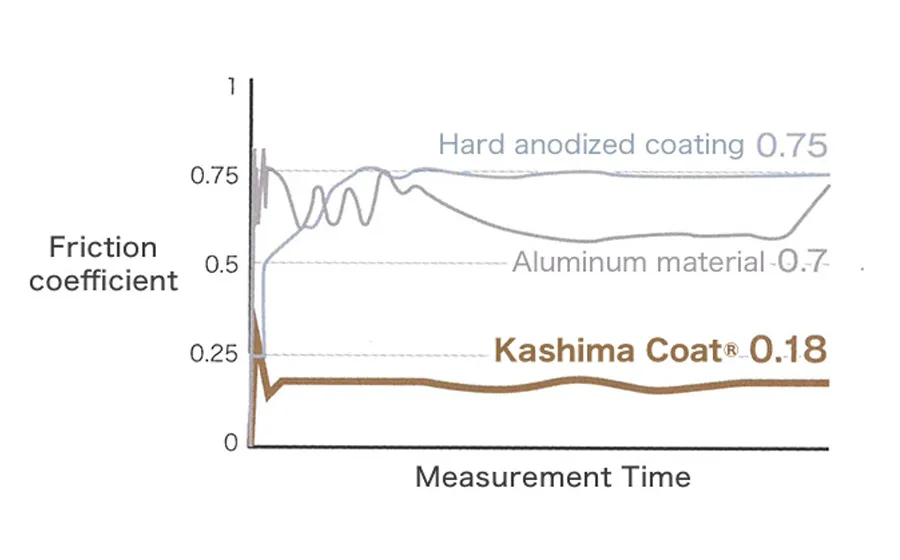
| Friction Coefficient | 0.18 (Ball-on-disk test) | Reduced to 1/2 – 1/3 compared to the 0.75 coefficient of standard anodized coating. |
| Wear Resistance | Approx. 3 to 5 times the durability of hard anodized coating | Contributes to longer component service life and reduced maintenance costs. |
| Compliance / Standards | Compliant with Food Sanitation Act, MSDS, and RoHS | Ensures compliance with various international standards and environmental regulations. |
| Coating Characteristics (by material) | A1050: Good A2011: Not recommended |
Detailed characteristics for each material are provided in the "Aluminum Material Properties Table." |
Kashima Coat Performance Graphs
Friction Test
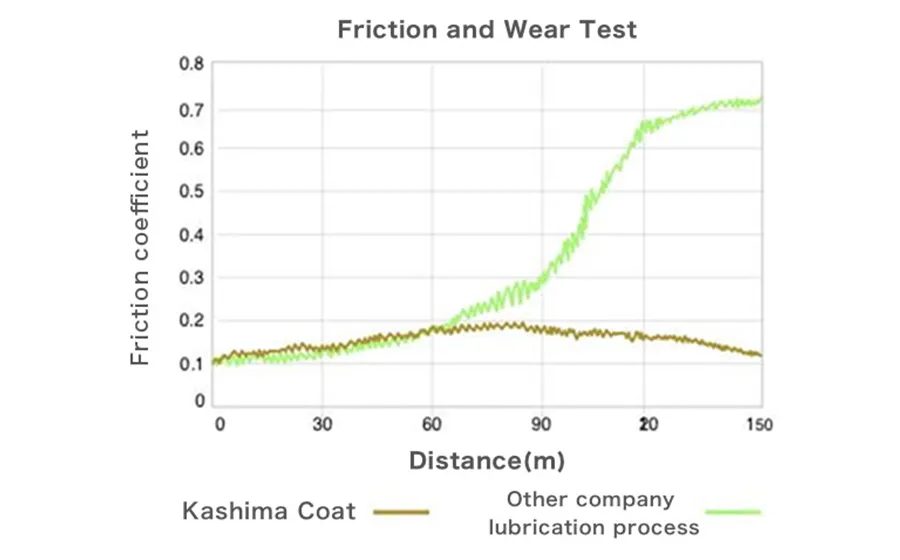
Abrasion Test
Customer Success Stories
-

Miyaki's Technology Powers the Quest for a World Championship
How We Support You
-
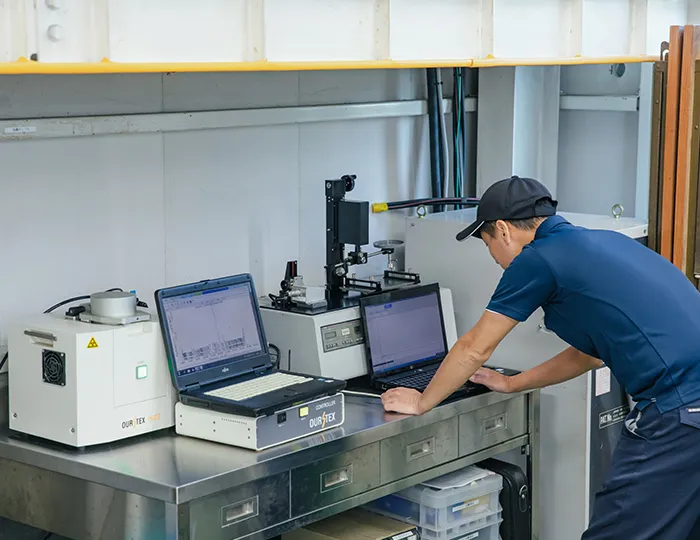
Small-Lot Prototype Verification Support
We support small-lot prototypes with flexible processing conditions to verify performance and ensure a fast, reliable transition from development to full-scale mass production.
-
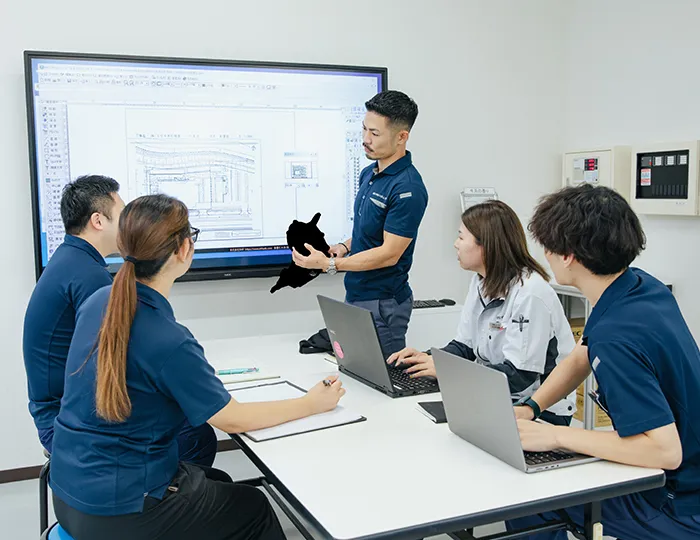
Technical Consultation Backed by Deep Expertise
We provide specific technical data for design — such as hardness and film thickness — and propose optimized treatments tailored to your aluminum alloy and fabrication method, solving wear and galling issues in sliding parts.
-
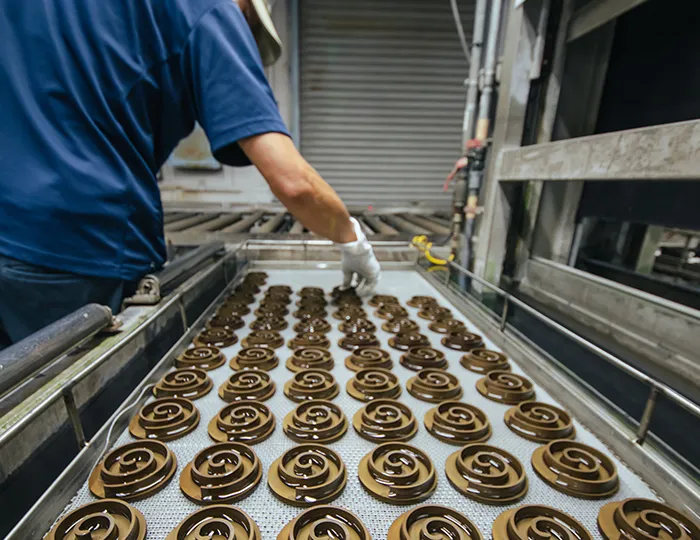
Stable Production & Traceability
With our automated lines and strict ISO 9001-based quality management, we guarantee a stable product supply and address concerns about lead times (standard: 2 weeks).
Kashima Coat FAQs
-
Q1:How does Kashima Coat compare to standard hard anodizing or hard chrome plating?
The greatest strength is the simultaneous achievement of "hardness" and "lubricity." Our unique technology deeply fills the pores of an HV400 hard film with molybdenum disulfide, achieving 3–5x the wear resistance of hard anodizing and ultra-low friction (1/2–1/3 coefficient).
-
Q2:How does your molybdenum disulfide infusion method differ from other companies' lubrication treatments?
While other companies' lubrication treatments "apply" lubricants onto the film surface, Kashima Coat electrolytically "deposits and fills" molybdenum disulfide into countless micro-pores. This ensures that even if the surface lubricant is worn away, lubricating components are continuously supplied from within the film. Lubricity is maintained as long as the film exists.
-
Q3:What aluminum materials can it be applied to? Is it compatible with die casting?
It is applicable to major aluminum alloys such as A5052, A6061, and A6063. We especially recommend it for ADC12 (A380 equivalent), a die-cast aluminum alloy that is generally considered difficult to anodize. Please refer to the downloadable "Aluminum Material Properties Table" for film thickness limits and characteristics by alloy.
-
Q4:What is the standard lead time? How do international orders proceed?
Standard lead time is approximately 2 weeks. As Kashima Coat is a contract processing service, we recommend starting with a small-lot prototype for verification before moving to mass production. For international orders, we provide technical consultations that consider shipping costs and lead times.
-
Q5:What parts and applications is Kashima Coat most commonly used for?
It is widely used for sliding parts requiring high lubricity and wear resistance. We have extensive experience in automotive parts (valves, pumps), motorcycle parts (front suspensions), and outboard motor components. It is also used in manufacturing equipment and medical devices where smooth movement is required in clean environments.
Related Anodizing Solutions
-

Kashima Coat Black
- Superior wear resistance
- Hard surface with high lubricity
- Deep jet-black aesthetic finish
-

MD Process
- Optimized for aluminum die casting
- High corrosion resistance
-

Hard Anodizing
- Standard hard anodizing
- High hardness


