Black Anodizing
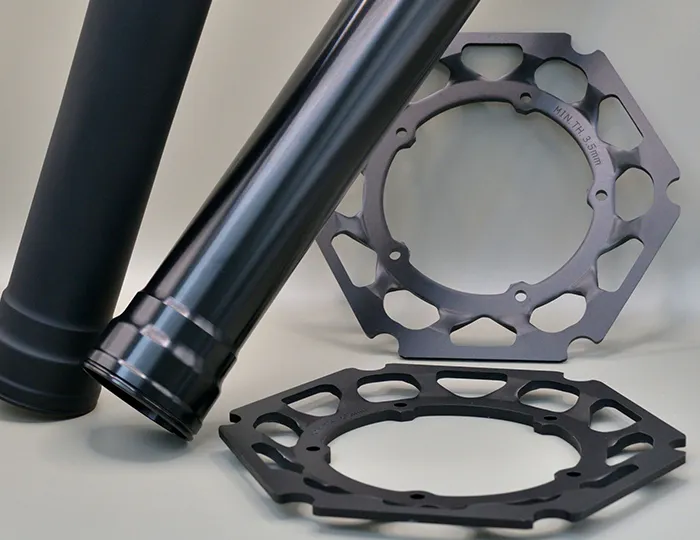
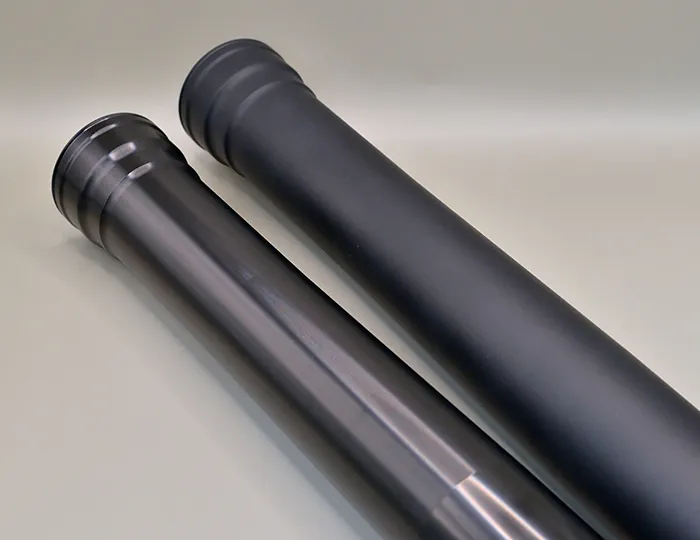
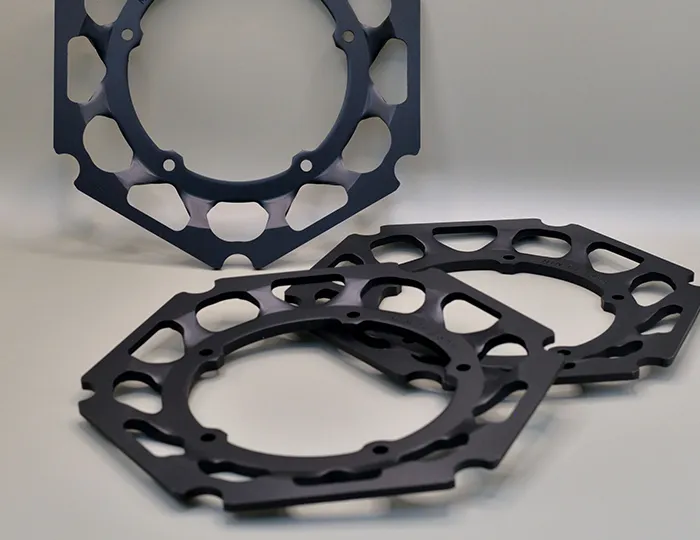
Black Anodizing
Premium aesthetics and lasting functionality.
A resilient black finish that will not peel.
Key Benefits
- Superior Visual Appeal
- Low Reflectivity
- Enhanced Wear Resistance
- Enhanced Corrosion Resistance
Not sure what you need? Send us your question.
Kashima Coat Black
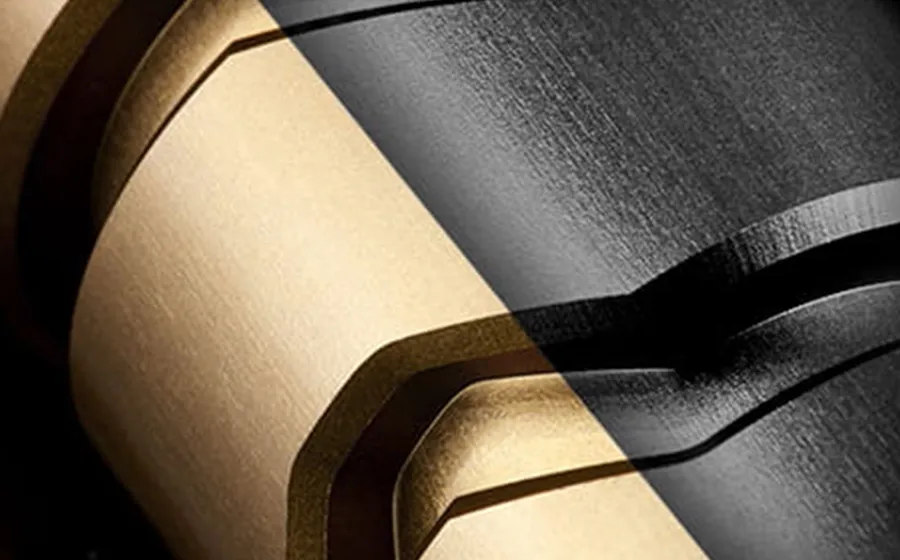
Kashima Coat Black retains the proven lubricity and wear resistance of the original Kashima Coat with a deep black finish. In addition to unifying product design, it is the ideal solution for applications requiring confidentiality, as well as optical components where preventing stray light is critical.
-

40
Years of Experience
-

5,000+
Products Delivered
-

15
Registered Patents
-

38
Countries Served
Black Anodizing Features
Advanced Optical &
Thermal Performance
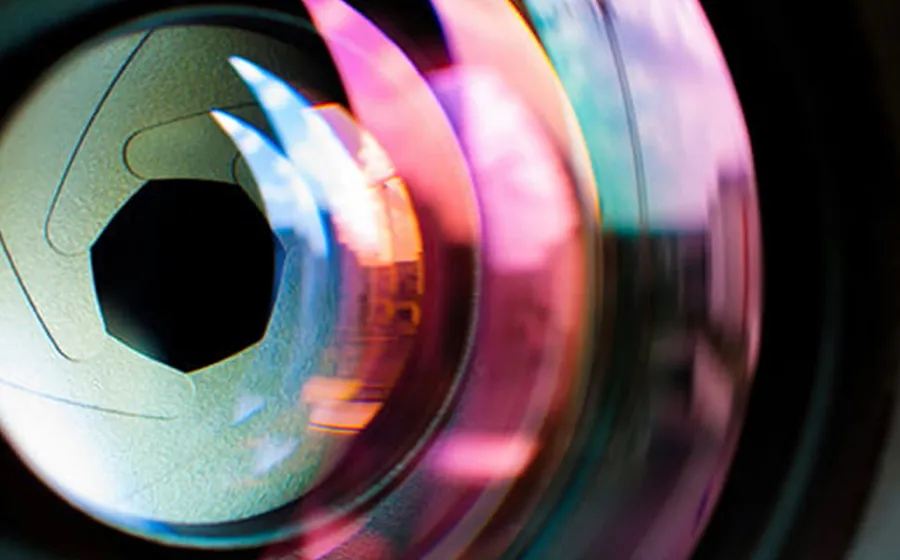
- The black film effectively absorbs visible light, significantly reducing stray light (unwanted reflections) in optical devices and sensors.
- High far-infrared emissivity allows the metal to dissipate heat more efficiently than raw aluminum, improving the cooling performance of heat sinks.
- With minimal dimensional change and the ability to control both light and heat, this finish is ideal for high-precision components like camera barrels and inspection equipment components.
A Robust, Non‑Peeling Finish with
a Rich Appearance
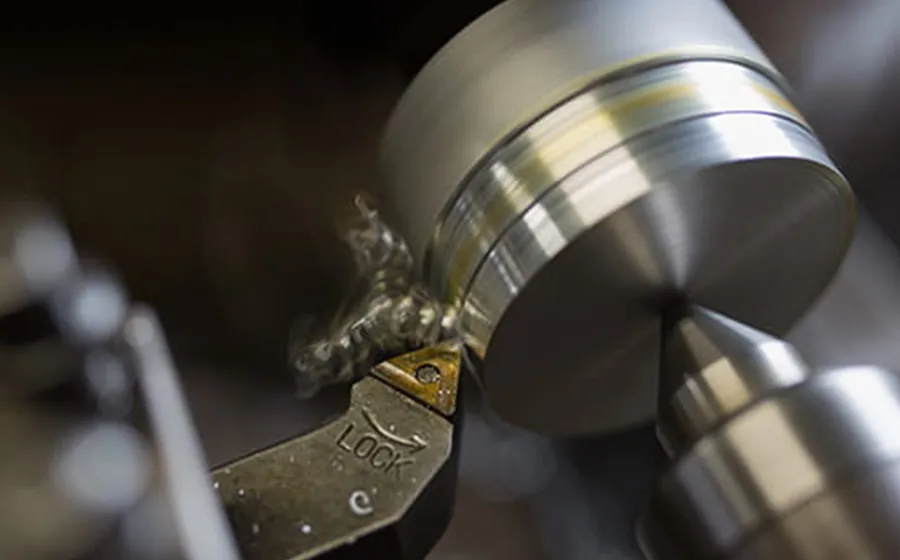
- Unlike paint, which sits on the surface, this finish is chemically integrated into the metal. This eliminates the risk of "peeling" or flaking.
- It preserves the natural metallic texture (including hairline or bead-blasted finishes) while adding a deep, matte black color for a professional look.
- Even complex shapes receive a uniform coating, eliminating the "unevenness" often seen with conventional painting.
Rugged Corrosion & Surface
Protection
- Surface hardness is significantly higher than untreated aluminum, protecting the product from scratches and impact during assembly or use.
- The stable oxide layer prevents corrosion (rust) caused by moisture or harsh environments, extending the product’s lifespan.
- The coating acts as an electrical insulator, making it an excellent choice for short-circuit prevention in electronic housings and internal components.
Technical Specifications
| Item | Standard Black Anodizing | Kashima Coat Black |
|---|---|---|
| Recommended Materials | A2000, A5000, A6000, and A7000 series; A380 is also compatible. |
A5052, A6061, A6063, ADC12, etc. |
| Standard Film Thickness
(Recommended Range) |
10 - 20μm | 10 - 30μm |
| Hardness (Min - Max) | 150 - 200 HV | 250 - 450 HV |
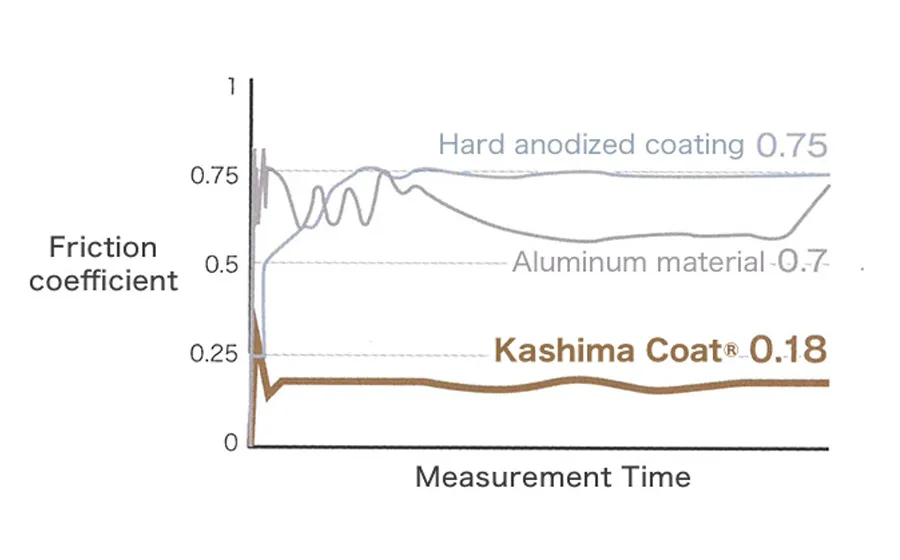
| Friction Coefficient | Standard black anodizing has insufficient hardness for sliding applications; this metric is therefore not applicable. |
0.18 (Ball-on-disk test) |
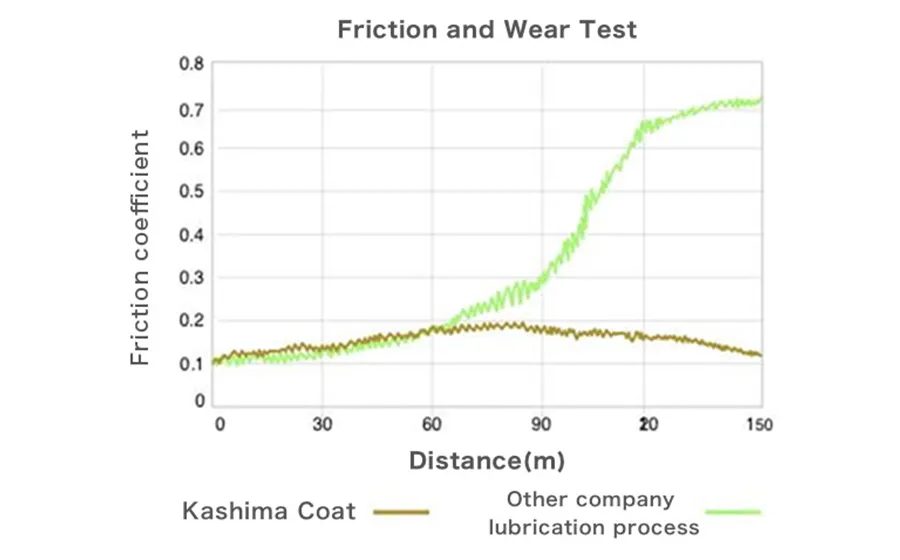
| Wear Resistance | Approximately 3–5x the durability of hard anodizing. | |
| Compliance / Standards | MIL-A8625 TypeⅡ | MIL-A8625 TypeⅢ |
Kashima Coat Black Performance Graphs
Friction Test
Abrasion Test
Customer Success Stories
-

Miyaki's Technology Powers the Quest for a World Championship
How We Support You
-
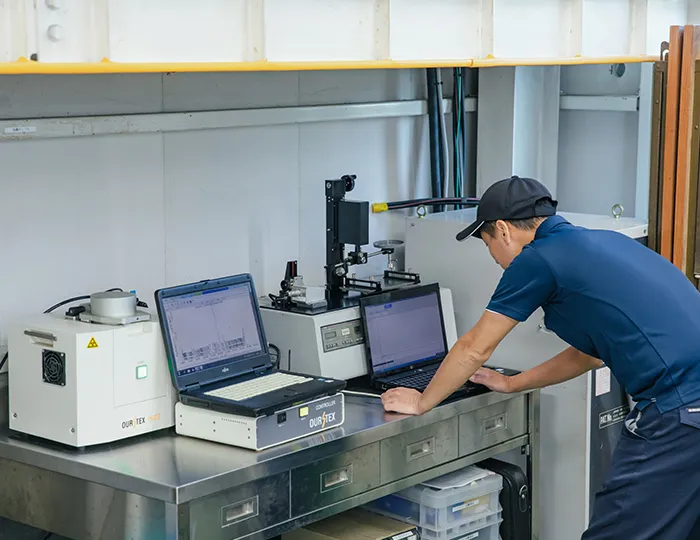
Small-Lot Prototype Verification Support
We support small-lot prototypes with flexible processing conditions to verify performance and ensure a fast, reliable transition from development to full-scale mass production.
-
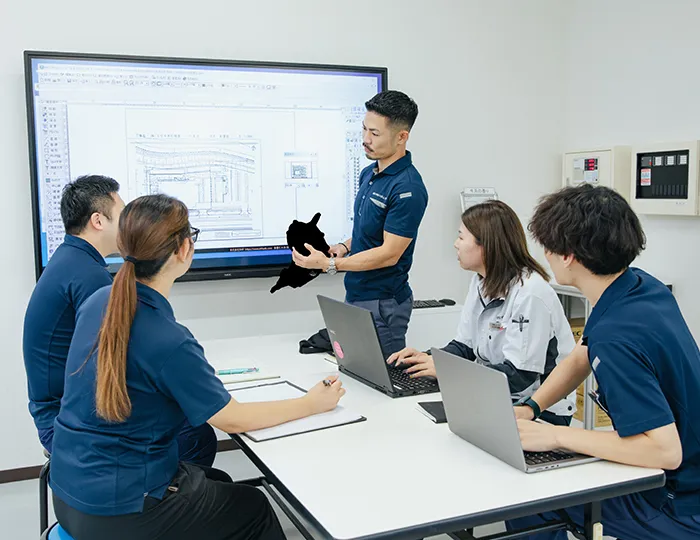
Technical Consultation Backed by Deep Expertise
We provide specific technical data for design — such as hardness and film thickness — and propose optimized treatments tailored to your aluminum alloy and fabrication method, solving wear and galling issues in sliding parts.
-
Stable Production & Traceability
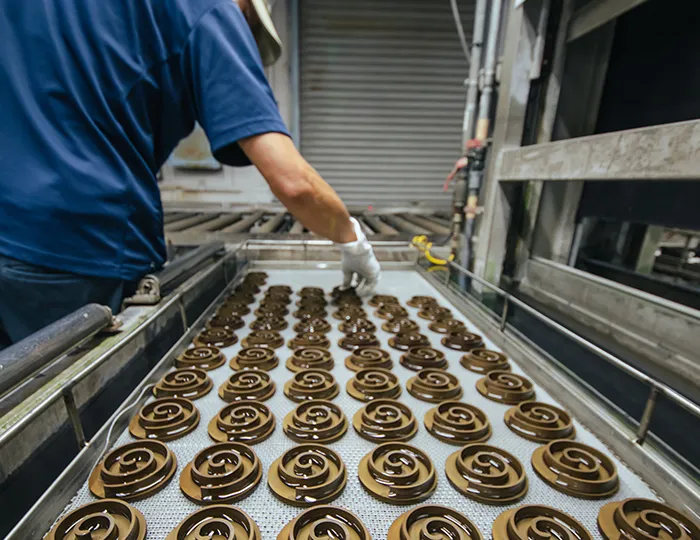
With our automated lines and strict ISO 9001-based quality management, we guarantee a stable product supply and address concerns about lead times (standard: 2 weeks).
Black Anodizing FAQs
-
Q1:What are the primary differences between standard black anodizing and Kashima Coat Black?
Standard Black Anodizing: This treatment is primarily used for visual appeal or anti-reflective purposes and uses dyes for coloring.
Kashima Coat Black: This is a functional surface treatment designed to provide lubricity and wear resistance. It is the ideal choice for sliding components or areas prone to high mechanical wear. -
Q2:Can I use standard black anodizing on sliding or high-friction parts?
We do not recommend this. Standard black anodizing lacks sufficient surface hardness and has a high friction coefficient, which often leads to rapid wear or seizure (galling) when components rub together. For these applications, we recommend Kashima Coat, which contains molybdenum disulfide (MoS2) to create a surface that is both hard and slippery.
-
Q3:Is there a visual difference in the color or texture between the two treatments?
Visual characteristics, including the shade of black and surface texture, are equivalent to standard black anodizing.
-
Q4:How significant is the difference in surface hardness?
Standard Black Anodizing: Typically offers a hardness range of 150-200 HV.
Kashima Coat Black:Provides a significant upgrade with a hardness range of 250-450 HV. This allows lightweight aluminum components to achieve scratch resistance comparable to steel. -
Q5:How does Kashima Coat perform outdoors regarding color fading?
A. Our tests indicate excellent color stability. Following a 400-hour weather resistance test conducted under ASTM D2565/G155 standards, the color deviation (ΔE) remained at 3 or less.
Related Anodizing Solutions
-

Kashima Coat
- Deal for sliding parts
- Superior wear resistance
- Hard surface with high lubricity
- Excellent aesthetic finish
-

MD Process
- Optimized for aluminum die casting
- High corrosion resistance
-

Hard Anodizing
- Standard hard anodizing
- High hardness


